
Understanding Stock Market Volatility: Tips for New Traders

Stock market volatility, or the rapid fluctuation in stock prices, is a fundamental aspect of trading that new traders must grasp to navigate the market effectively.
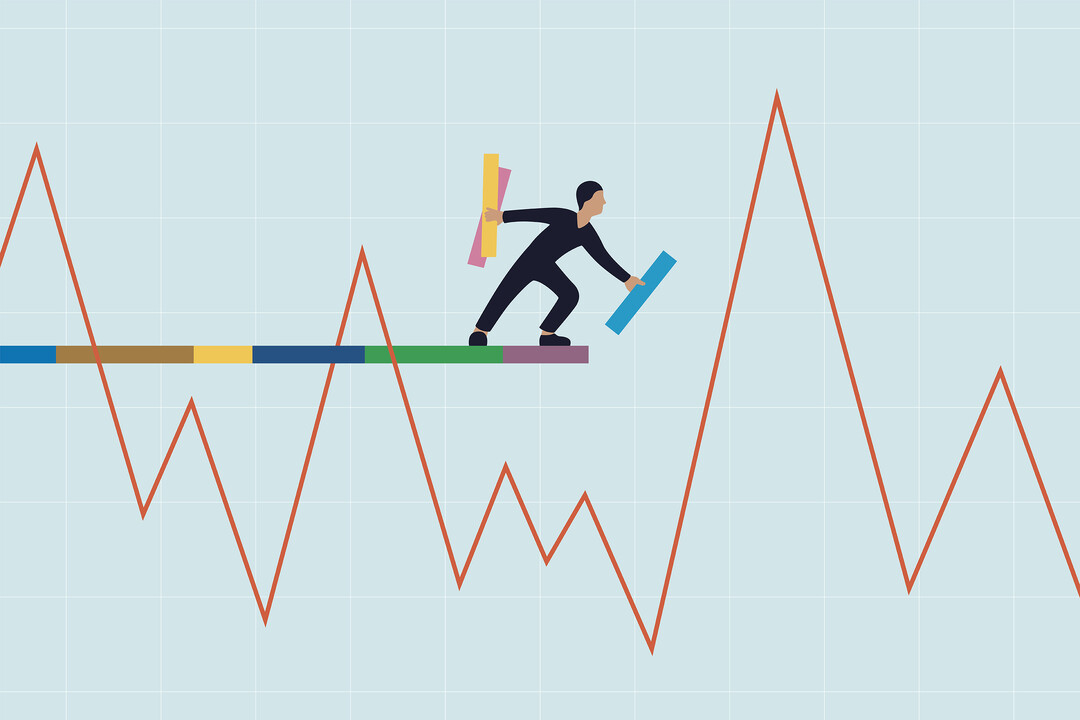


What is Stock Market Volatility? Stock market volatility measures the frequency and magnitude of price changes in stocks over time. High volatility indicates significant price swings, while low volatility suggests more stable price movements.

Causes of Volatility

  1. Market Sentiment: Investor emotions, like fear and greed, can drive buying and selling decisions, influencing stock prices.

  2. Economic Data: Reports on economic indicators such as jobs data, inflation rates, and GDP growth can impact investor confidence and market direction.

  3. Company News: Earnings reports, product launches, mergers, and scandals related to specific companies can lead to sharp movements in their stock prices.

  4. Geopolitical Events: Political instability, trade tensions, wars, and natural disasters have global economic implications, affecting stock markets worldwide.

Tips for Managing Volatility

  1. Diversify Your Portfolio: Spread investments across different stocks and sectors to reduce the impact of volatility on your overall portfolio.

  2. Long-Term Focus: Focus on the fundamental strengths of your investments and their potential for long-term growth, rather than reacting to short-term market fluctuations.

  3. Risk Management: Use tools like stop-loss orders to limit potential losses during sudden downturns in stock prices.

  4. Stay Informed: Stay updated on market news, economic reports, and industry trends to make informed decisions about your investments.

  5. Emotional Control: Avoid making impulsive decisions based on emotions such as fear or greed. Stick to your investment strategy and remain disciplined during periods of market volatility.

Conclusion Stock market volatility presents both challenges and opportunities for traders. By understanding the causes of volatility and implementing effective risk management strategies, new traders can navigate uncertain market conditions with greater confidence and achieve long-term success in stock trading.

With a proactive approach to staying informed and maintaining emotional discipline, new traders can effectively manage the impacts of market volatility on their investment portfolios.

Comments

Popular posts from this blog

Forex: Understanding Slippage

Slippage occurs when a trader experiences a different execution price than expected between entering and executing a trade. This phenomenon is neither inherently good nor bad and can result in either losses or gains depending on market conditions. The primary cause of slippage is often high volatility, where the market becomes flooded with orders, making it challenging for brokers to execute trades at exact prices. Additionally, the speed at which brokers process orders can contribute to slippage, especially during rapid market movements. Volatility, defined as the price difference of an instrument over a specific period, plays a crucial role in slippage. High volatility periods occur when there is significant buying or selling activity, often driven by important news releases. Staying informed about such news, typically available on brokerage websites and financial news sources, is essential for traders to anticipate and manage slippage risks. Slippage can significantly impact profita...

Forex: Trading - What are the costs - Opening a Trade

First and foremost, before placing a single penny on any trade in the CFD FX market, open a DEMO account, one of the key factors with any type of trading is the inherent risk associated with trading; so remove this risk, and educate yourself in a demo environment. Whilst you are still learning the basics opening a winning or losing trade is irrelevant, learn how to understand the costs associated with the position, the risk and reward of the position and how to calculate your required margin and potential Profit or Loss. Below we will explain the basic math associated with the costs of trading. First we decide if we will buy or sell (long or short) a currency: Buy (Long) : You buy the currency pair if you anticipate that the base currency will appreciate (increase in value) relative to the quote currency. For instance, buying GBPUSD means purchasing British Pounds while selling US Dollars. Sell (Short) : You sell the currency pair if you expect the base currency to depreciate (decrease...

Understanding Blockchain Technology - An Intro

  What is Blockchain? Blockchain is the underlying technology that powers cryptocurrencies like Bitcoin and Ethereum. It’s essentially a digital ledger that records transactions across many computers in a way that ensures the data is secure, transparent, and tamper-proof. How Blockchain Works Blocks and Chains : Blockchain is composed of blocks, each containing a list of transactions. Once a block is filled with transactions, it is added to a chain of previous blocks – hence the name "blockchain". Decentralization : Unlike traditional databases controlled by a single entity, blockchain is decentralized. It operates on a network of computers (nodes) where each node has a copy of the blockchain. This decentralized nature ensures that no single point of failure can compromise the system. Consensus Mechanism : To add a new block to the blockchain, the network must reach a consensus. This is usually achieved through mechanisms like Proof of Work (PoW) or Proof of Stake (PoS). The...